







Kyoto
-
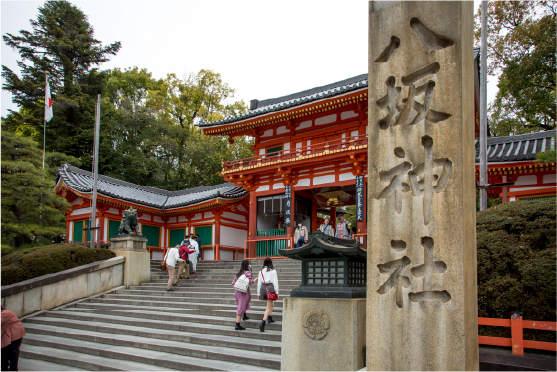
Sacred Shrine
Step through the gates of Kyoto’s historic shrines, where vermillion structures and stone paths mark the entrance to places of worship. These spaces remain active centers of tradition, offering a glimpse into the spiritual foundation of the city.
-
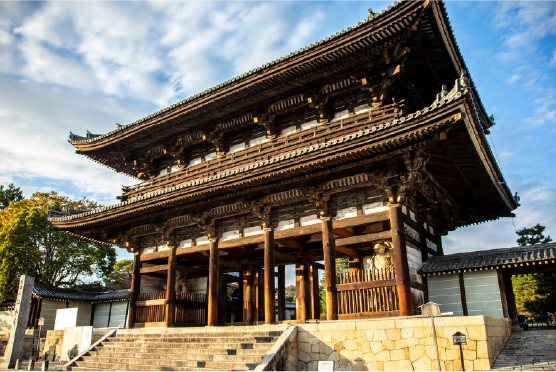
Temple Architecture
Kyoto’s temples reflect centuries of craftsmanship, with wooden structures designed for both beauty and balance. From grand entrance gates to quiet halls, each detail reveals a refined approach to space, proportion, and material.
-
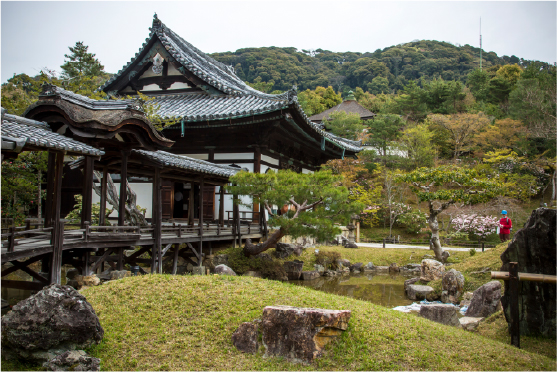
Gardens in Season
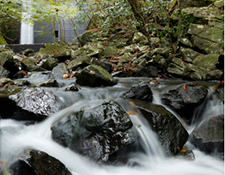
Temple gardens across Kyoto are designed to reflect the changing seasons. From moss covered landscapes to vibrant autumn leaves, these spaces invite stillness and observation, offering a quieter way to experience the city.
Discover Kyoto, the ancient capital where tradition lives on. Famous for its thousands of temples, geisha districts, and serene Zen gardens.
A city of quiet beauty, refined culture, and seasonal nature.

Design in Harmony
with Nature
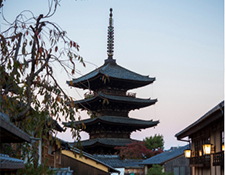
Kyoto’s architecture is shaped by its surroundings, where wooden structures, tiled roofs, and narrow streets follow the natural flow of the land. In historic districts such as Higashiyama, buildings open quietly to light, shadow, and season, creating spaces that feel both intimate and enduring.

A Taste of Kyoto
Kyoto’s cuisine reflects refinement, balance, and seasonality. From delicate dining to simple expressions such as freshly prepared tofu and matcha, each dish is rooted in tradition and shaped by the time of year.
Ingredients are handled with precision and respect, allowing natural flavors to stand on their own. Dining in Kyoto is not only about taste, but about presentation, timing, and quiet appreciation.

Gardens and Stillness
Kyoto’s temple gardens are designed for reflection, where stone, moss, water, and space are arranged with intention. These landscapes are not meant to be rushed, but experienced slowly, revealing subtle details over time.

Kyoto in Evening Light
Kyoto reveals a different presence after sunset, when temples and shrines are softly illuminated against the night sky. Lantern light and architectural detail emerge with quiet intensity, creating moments that feel both intimate and timeless.