



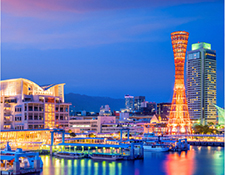

Awaji Island
-

Sacred Island
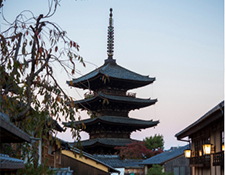
Home to some of Japan’s oldest myths and shrines, Awaji Island has long been considered a place of spiritual origin. Quiet forests, coastal temples, and historic sites offer a sense of depth and cultural connection.
-
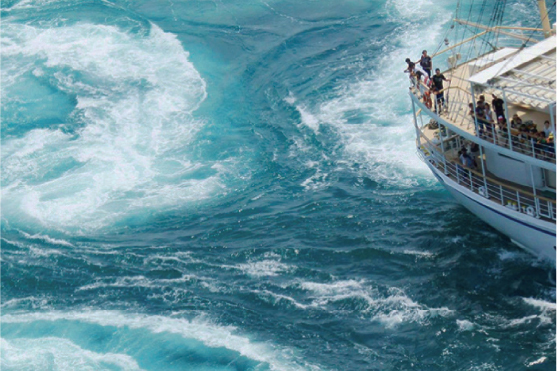
Naruto Whirlpools
Witness powerful tidal currents at the Naruto Strait, where dramatic whirlpools form between Awaji Island and Shikoku. Best experienced by boat, this natural phenomenon is one of the region’s most dynamic sights.
-
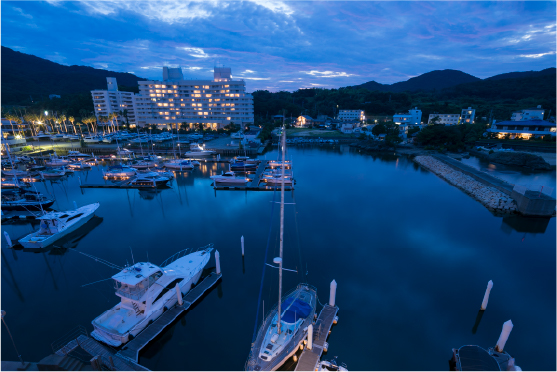
Harbor & Coastal Life
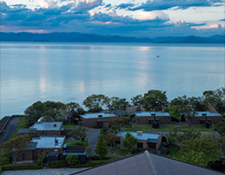
Fishing ports, marinas, and seaside towns define daily life on Awaji Island. From early morning markets to sunset views over the Seto Inland Sea, the island offers a grounded, authentic coastal experience.
Awaji Island offers a balance of nature, culture, and cuisine, known for its fragrant incense traditions, abundant gifts from land and sea, and expansive sea views.
An accessible island escape connected to Kobe and Shikoku, ideal for slow travel, dining, and relaxation.

Design in Harmony
with Nature
Architecture and landscape are deeply connected across Awaji Island. From contemporary structures to traditional craft, design here reflects the surrounding sea, fields, and rolling hills, inviting a slower, more immersive way to experience the environment.

Taste Awaji Island
Awaji Island is known for its agricultural richness and coastal cuisine.
Sweet onions, fresh seafood, and locally sourced ingredients define the island’s dining culture. From simple, seasonal dishes, each meal reflects a direct connection to the land and surrounding sea.

Coastal Journeys by Sea
Experience the island from the water, where the coastline, small harbors, and open horizons come into view.
Cruise along the shore, pass working fishing ports, and take in changing light throughout the day. This quieter perspective reveals the rhythm of island life beyond the road.

Sacred Shrines and
Coastal Exploration
Visit historic shrines and cultural sites across the island, where traditions remain deeply rooted in place.
From quiet temple grounds to coastal viewpoints, Awaji offers experiences that blend nature, history, and reflection.